

Table of Contents
Log cabins have long been associated with simplicity, craftsmanship, and a close connection to nature. Originating centuries ago in Northern and Eastern Europe, they were brought to North America by settlers who valued their sturdy design and ease of construction.
Built from locally sourced timber, log cabins provided a practical and durable solution for shelter in harsh environments.
Over time, the concept evolved from basic frontier housing into an enduring architectural style celebrated for its rustic charm.
Why People Are Drawn to Log Cabins
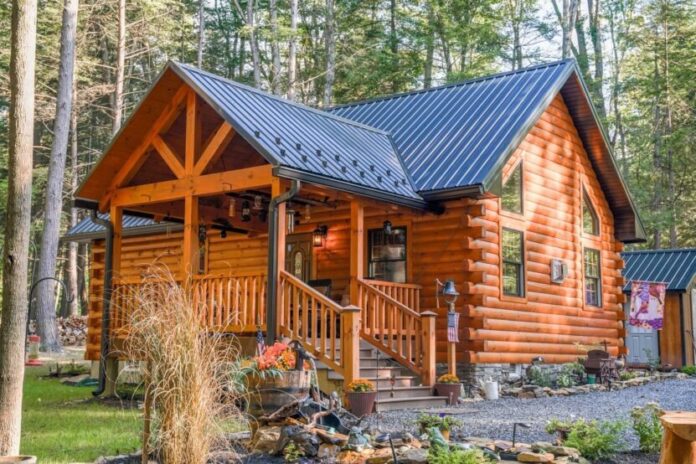
Modern society is fast-paced and heavily reliant on technology, which has left many people yearning for a return to a simpler lifestyle.
A log cabin represents this desire perfectly. The natural wood construction not only creates a warm and welcoming atmosphere but also connects its occupants to the environment.
For many, staying in or owning a log cabin means more than just accommodation – it signifies a retreat into tranquillity and a break from everyday pressures.
Design and Construction Benefits
One of the greatest advantages of a log cabin is the natural insulation provided by the timber. Wood retains heat efficiently, keeping interiors warm in winter while staying cool in summer.
This makes them highly energy-efficient, reducing the reliance on artificial heating and cooling systems.
Additionally, log cabins are remarkably durable when properly maintained, with some historic examples still standing after hundreds of years.
Another benefit lies in their versatility. A log cabin can be designed to suit many purposes – from holiday homes and guest houses to garden offices and residential properties.
With modern building techniques and precision engineering, log cabins can now be prefabricated and customised to meet a wide range of needs.
A Sustainable Choice
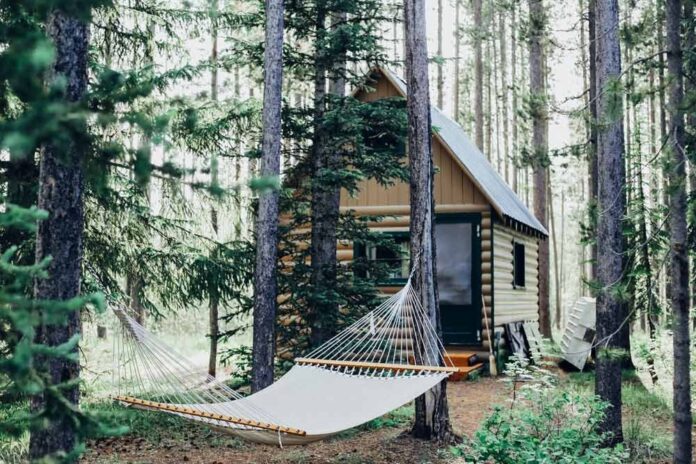
Sustainability is a major consideration in modern construction, and log cabins align well with this goal. Timber is a renewable resource, and when sourced responsibly, it can have a lower environmental impact compared to traditional brick or concrete structures.
The natural aesthetic of a log cabin also allows it to blend harmoniously with its surroundings, reducing visual disruption to landscapes.
Lifestyle and Wellbeing Advantages
Living in a log cabin offers more than just practical benefits; it can have a positive impact on wellbeing.
Natural wood interiors promote relaxation and can even contribute to lower stress levels.
Studies have suggested that spending time in wooden environments may improve mood and reduce anxiety, making a log cabin an ideal place to escape from the hustle and bustle of daily life.
Furthermore, the rustic appeal of a log cabin fosters a sense of tradition and craftsmanship.
Many people enjoy decorating their cabin in a cosy style that emphasises natural textures, warm colours, and handmade furnishings. This creates a homely environment that feels far removed from sterile, modern interiors.
Modern Uses of Log Cabins
Today, log cabins are not limited to remote woodland areas. They are increasingly found in suburban and rural gardens, serving as home offices, gyms, or creative studios.
Families use them as additional living spaces, while others see them as investment opportunities through holiday rentals.
Their adaptability means that a log cabin can serve both functional and leisure purposes, fitting seamlessly into contemporary lifestyles.
Choosing the Right Log Cabin
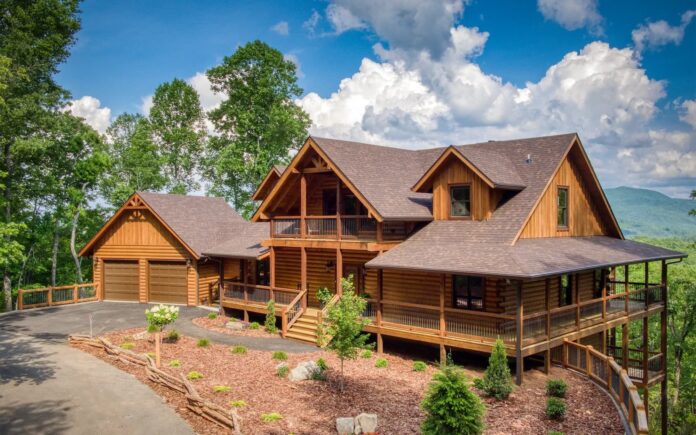
When selecting a log cabin, factors such as size, timber type, insulation, and intended use all come into play.
For instance, a garden cabin used as a summerhouse may require less insulation than one intended for year-round living.
Additionally, modern cabins can include features such as double glazing, integrated heating, and even smart home technology, ensuring comfort and convenience.
It is also important to consider professional installation. While many log cabins are available in self-build kits, proper assembly is crucial to ensure longevity and stability.
A well-constructed cabin will withstand the elements for decades, providing a secure and enjoyable space.
The Enduring Symbolism of the Log Cabin
In many cultures, the log cabin has come to symbolise independence, self-sufficiency, and a return to nature. For some, it represents a retreat from urban life; for others, it signifies resilience and tradition.
This symbolism continues to resonate today, making log cabins a timeless choice for those who value character and connection to the outdoors.
Investing in a Log Cabin
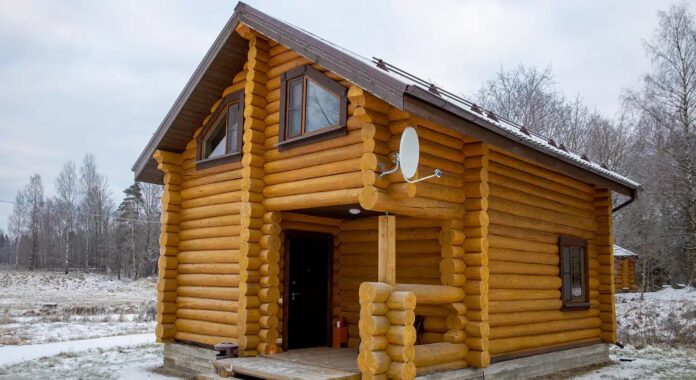
For homeowners and property developers alike, investing in a log cabin offers both practical and financial benefits.
They can increase property value, provide rental income, or simply serve as a cost-effective way to expand living space.
Whether positioned in a garden or on a scenic plot of land, a cabin can be tailored to suit individual preferences and long-term goals.
In fact, many providers now offer high-quality designs with flexible options, making it easier than ever to find the right fit.
If you are considering adding one to your property, exploring the possibilities of a log cabin could be the first step towards creating a versatile and enduring space.
Conclusion
A log cabin is far more than just a wooden structure – it is a lifestyle choice, a symbol of tradition, and a sustainable housing solution.
With their adaptability, charm, and lasting appeal, log cabins remain as relevant today as they were centuries ago.
Whether used as a retreat, a family home, or an additional space, they continue to capture the imagination of those seeking comfort, beauty, and a closer connection to nature.